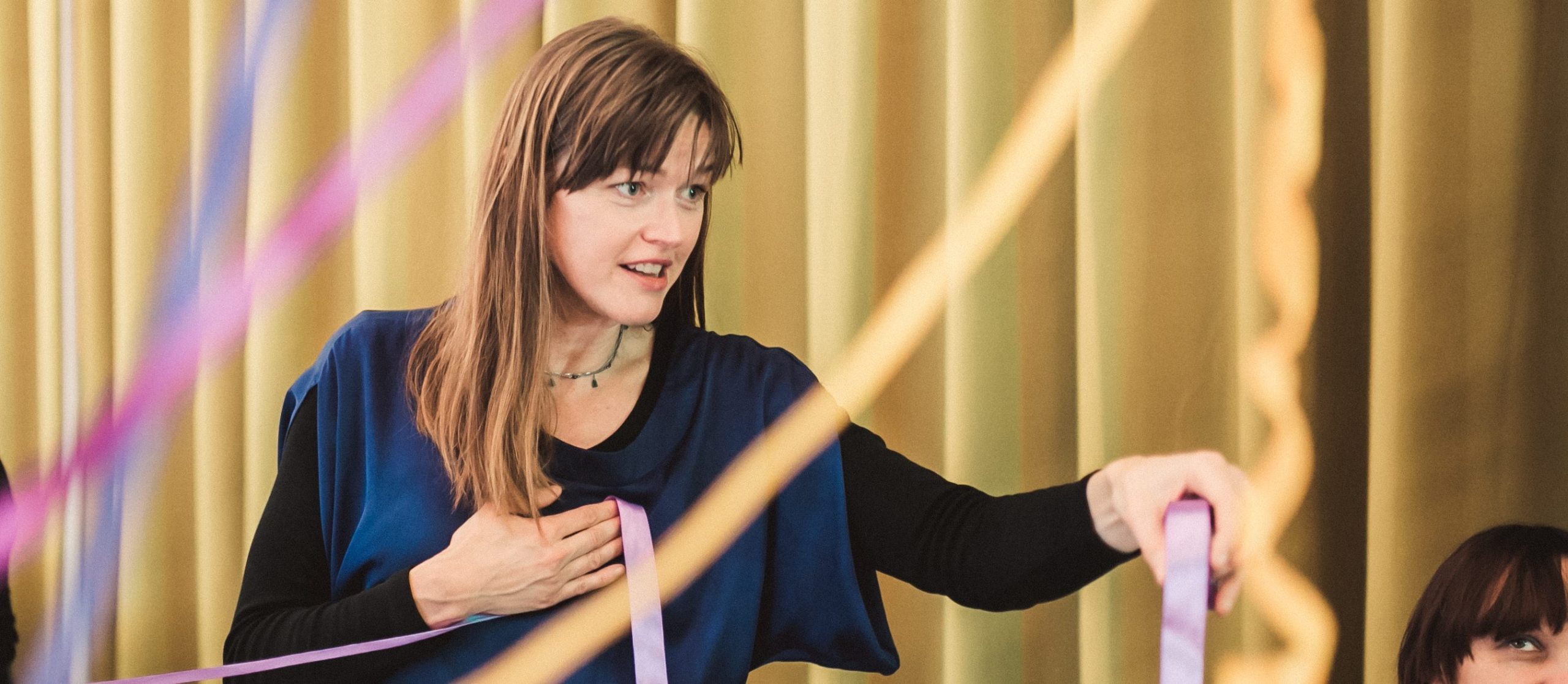
CHANGING METROPOLIS II_ publication 2012, Kopenhagen International Theater
Article/Case on artwork Jungle Strings
Changing Metropolis II is the second Metropolis publication.
The publication consists of commissioned articles, rewritten
speeches, commentaries and artistic projects made in the
context of Metropolis Laboratory in 2008 and 2010 and Metropolis
Biennale in 2009 and 2011
ISBN: 978-87-994229-1-3
Purchase at KIT Kopenhagen International Theater: Marie Viltoft Polli Email: mvp(ad)kit.dk

PERFORMATIVE URBAN DESIGN – book 2010, Aalborg University
Professor Hans Kiib, Aalborg University Press, 240 pages, 2010
Article: WaysToSocialRediscoveryArticleL
ISBN: 978-87-7307-982-9
Performative Urban Design seeks to identify emerging trends in urban design as they are reflected in the city’s architecture and spatial design. A ‘cultural grafting’ of the inner city is taking place, and urban development is pursuing an intense city life, in which architecture and art are playing a catalytic role. On the one hand, this development has focused on massive investments in ‘corporate architecture’. On the other hand cities have invested heavily in new cultural centres and performative urban spaces that can fulfil a growing desire for entertainment and culture. The anthology Performative Urban Design addresses these issues through three lenses:
· Sense Architecture
· Place Making, and
· Urban Catalyst
The articles identify the relevant theoretical positions within architecture, art and urban strategies, and they demonstrate the concepts and methodological approaches drawn from practical experience.
Link to book via Aalborg University

GET LOST – An atlas of the (im) possible Copenhagen
Editor Kjersti Vikstrøm, publication 2010, DAC Danish Architecture Center
Article/case on Jungle Strings
How do we create a vibrant, dynamic and spatial city?
Can architects learn from the artists’ way of working in the public sphere?
These are some of the questions that the book GET LOST – An Atlas of the (im) possible Copenhagen raise.
The book stems from the project GET LOST as the Danish Architecture Center completed in 2008. The project consisted of a series of exhibitions in Copenhagen’s public spaces, debate events around the town and a digital platform.
Among the book’s many contributing artists and posters in this field, you meet Supertanker, Bureau Detours, Parfyme, N55, Karoline H. Larsen and many, many more. The new book continues the debate about the use of urban space and collects gradient threads on 164 lush pages under headlines RIGHTS TO TOWN, MEETING POINT, OUR TOWN, ANOTHER CITY and MAPS AND TERRITORIES.
Read/download GET LOST as e-magazine
You can buy the book at Danish Architecture Center Bookshop, or from dacbookshop.dk price 170,- DKK
Interview with the editor at KUNSTEN.NU

CREATIVE ACTIONS,
by Huldada Press – Karoline H. Larsen, book published 2008
3 articles on Creative Actions – Collective Strings:
CA_logbook_TEXT_karolinehlarsen_2008
p.137 Log book CREATIVE ACTIONS 2002-2008
p.157 THE (DIS)ORGANISATION OF THE ROOM by curator Christiane Mosegaard, Esbjerg Museum of Art, Denmark
p.165 TO TURN YOURSELF UPSIDE DOWN – AND TO GET IN TOUCH WITH EACH OTHER! A conversation between body therapist, psychologist, and psychotraumatology specialist Ulla Rung Weeke, visual artist Karoline H. Larsen, and Master of Literature Cecilie Høgsbro.

Reach Out! – inspiration til brugerinddragelse og innovation i kulturens verden
Author: Danish Cultural Ministry’s interdisciplinary projectgroup, 2008
Publisher: Danish Cultural Ministry
ISBN: 978-87-7960-116-1
Electronic ISBN: 978-87-7960-117-8
Pages: 106
Language: Danish
Publication type: Inspiration catalogue
Publishing form: Electronic, Printed
Get the book in Danish for free as PDF – click here ReachOut_Web
Introduction:
The purpose of this inspiration catalog is to show how various cultural institutions and cultural operators have chosen to seek out new users and create new kinds of experiences for users through involvement and / or collection of information about users. Inspiration catalog focuses on the challenges, opportunities and limitations of user involvement and user-driven innovation in the arts. But the examples should also inspire you to make new types of questions to users – and to rethink ways to inquire. The idea is that the catalog must be of mutual inspiration for cultural institutions and other people who want to engage in user participation and user-driven innovation in the culture field. Whether it’s from an objective to attract new user groups, from a desire to exploit an economic opportunity or experience to develop the quality of its artistic or cultural professional product.